
Category: Narcissistic Abuse
-

Why You Can’t Stop People-Pleasing
Introduction You said yes again. To the fourth committee. To the lift to the airport at half past four in the morning. To the extra bit of work that landed at ten to five on a Friday, from the colleague who always seems to find you. And somewhere between the word leaving your mouth and…
-

Be as Kind to Yourself as You Are to Everyone Else
Introduction Think about how you spoke to yourself this week. The email you sent with the typo in the first line. The meeting where you said the wrong thing, which you then replayed at two in the morning. The moment you snapped at your child over nothing, and spent the rest of the evening filing…
-

Why You Keep Having the Same Relationship
Introduction Different person. Different city, sometimes. Same ending. People notice this eventually, usually somewhere around the third time, and the conclusion they reach is almost always about their taste in partners. If I could just stop choosing this type. It’s rarely the choosing. It’s what happens at a very particular moment: the moment when something…
-

Coercive Control: What It Looks Like Before It Looks Like Abuse
Introduction Nobody hit you. That’s usually the sentence underneath it. People arrive in my room apologising for taking up space, because they know what abuse is supposed to look like and this isn’t it. Nothing was broken. Nobody shouted, or at least not often. There was never an incident to point at, and without one…
-

Couples Counselling in Cape Town: A Guide for Relationships Under Strain
Introduction Almost nobody books couples counselling early. By the time two people are sitting on my couch, the average couple has been circling the same argument for years. They can predict it. They know exactly which sentence sets it off, exactly who will say what, and exactly how it will end. They have simply lost…
-

Narcissistic Abuse and Trauma Therapy in Cape Town: A Complete Guide
Introduction Most people who come to see me about trauma do not arrive using the word trauma. They arrive saying they are tired. That they cannot seem to trust anyone. That they left two years ago and still cannot work out why they are not over it. That they feel like a different person from…
-

The Importance of Self-Compassion in Mental Health
Introduction We are often our own harshest critics. When something goes wrong, the inner voice that speaks up first is rarely kind. It tells us we should have known better, that we are not enough, that we deserve the pain. For many people, this self‐critical pattern runs so deep it feels like the truth rather…
-

Healing During and After Divorce: How Therapy Supports Your Journey
Introduction Divorce is often described as one of life’s most stressful transitions. It’s not just the end of a marriage – it’s the unraveling of routines, identities, and dreams once shared. For many, it brings grief, anger, confusion, and fear of the unknown. Therapy offers a safe, structured space to process these emotions, rebuild confidence,…
-

Managing Stress in Relationships
Stress doesn’t just affect individuals – it affects relationships too. Work pressures, financial concerns, family responsibilities, and life transitions can all create strain between partners. When stress in relationships builds, it often shows up as irritability, withdrawal, or conflict, leaving couples feeling disconnected or misunderstood. As a counsellor, I often see couples who care deeply…
-

Breaking Free from Codependency | Finding Your Way Back to Yourself
Case Study: When Love Becomes a Lifeline Names and identifying details have been changed to protect client confidentiality. Sandra, 58, came to therapy after her daughter Leigh, 32, relocated for work to another city and Sandra hadn’t left the house in three weeks. To outsiders, they had always seemed exceptionally close: daily calls, shared finances,…
-

Trauma Bonds in Relationships: Why They Form and How to Heal
Many people ask themselves why they can’t walk away from relationships that consistently hurt them. The answer often lies in trauma bonds: powerful emotional attachments that keep us tied to someone, even when logic tells us to leave. These bonds are not love in its healthiest form; they are rooted in fear, dependency, and survival…
-

Leaving a Toxic Relationship Safely: A Therapist’s Guide
Discover five therapist approved steps to leave a toxic relationship safely. Build resilience, plan ahead, and reclaim your life with support.
-

Creating Healthy Boundaries After Abuse
When you’ve been abused, one of the hardest – and most important – parts of healing is learning how to set healthy boundaries. Many teens and adults I work with tell me they feel unsure, guilty, or even “selfish” when they try to say no or express their needs. If that sounds familiar, you’re not…
-
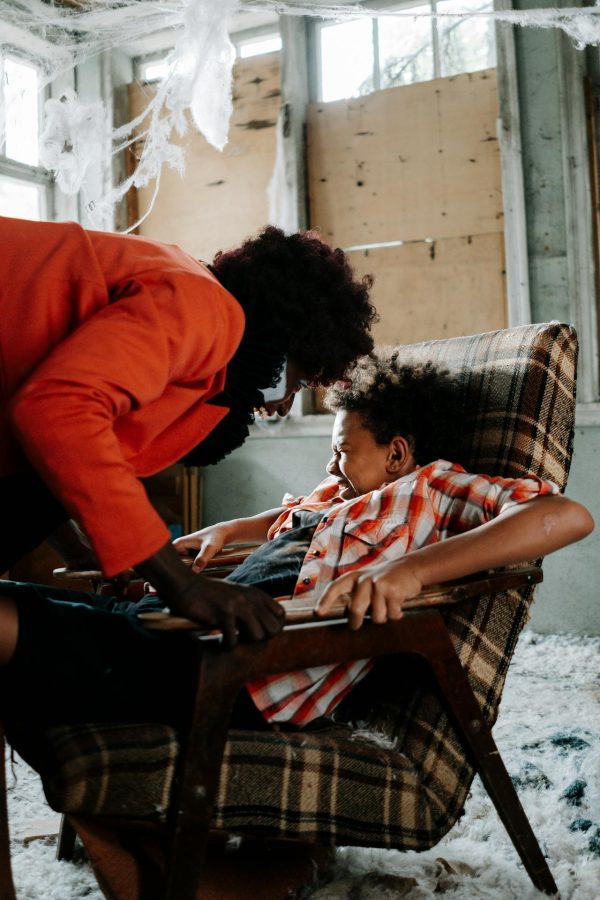
Dealing with CPTSD After Trauma – Finding Safety, Strength, and Support
Complex Post-Traumatic Stress Disorder (CPTSD) can feel exhausting, confusing, and deeply isolating. To add to that confusion, CPTSD has only been formally recognised within the last decade, but it’s very, very real. Unlike a single traumatic event which may trigger PTSD, CPTSD often develops after long-term or repeated trauma – like emotional neglect, ongoing abuse,…