
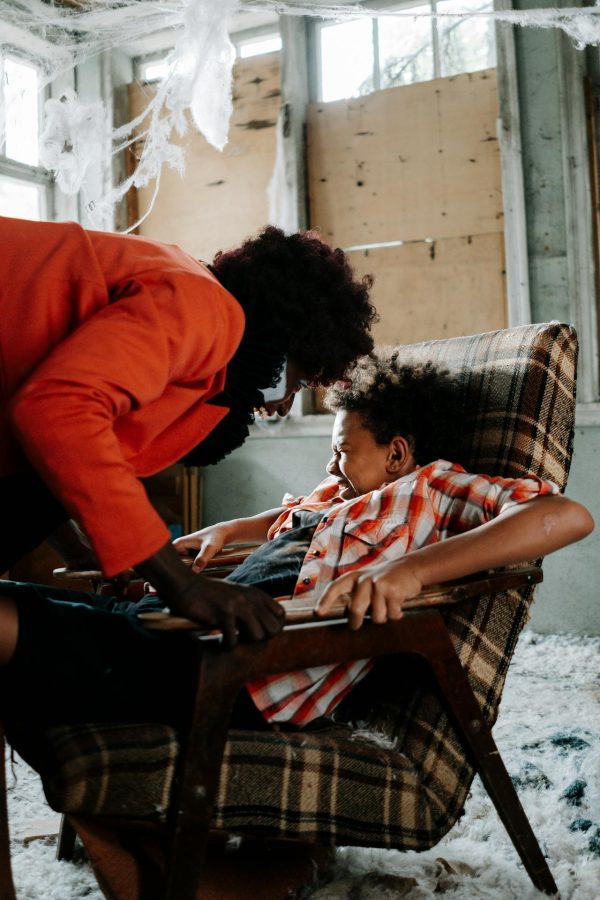
Complex Post-Traumatic Stress Disorder (CPTSD) can feel exhausting, confusing, and deeply isolating. To add to that confusion, CPTSD has only been formally recognised within the last decade, but it’s very, very real.
Unlike a single traumatic event which may trigger PTSD, CPTSD often develops after long-term or repeated trauma – like emotional neglect, ongoing abuse, bullying, or growing up in an unsafe environment. Many of the teens and adults I work with don’t always recognise their experiences as “trauma,” yet their nervous systems are constantly on alert.
Here’s the thing – your responses make sense, and healing is possible. With the right support and tools, coping with CPTSD can be more manageable and life‑affirming.
Understanding CPTSD: More Than PTSD
CPTSD shares symptoms with PTSD – such as flashbacks, anxiety, and hypervigilance – but it also impacts identity, relationships, and emotional regulation. People often struggle with:
• Intense shame or self-criticism
• Difficulty trusting others
• Emotional numbness or overwhelming emotions
• A sense of being “too much” or “not enough”
• Feeling unsafe, even when no threat is present
Teens may act withdrawn, irritable, or highly perfectionistic. Adults may find themselves stuck in people‑pleasing patterns or struggling in relationships. These are not character flaws – they are survival responses.
This is where CPTSD counselling can offer a safe and healing space to explore what happened and how it continues to live in your body and mind.
The Body Keeps the Score
CPTSD is not just something you “think through.” Trauma is stored in the nervous system. Many clients tell me, “I know I’m safe, but my body doesn’t feel that way.” This makes everyday experiences – conflict, criticism, even closeness feel threatening.
Understanding this is an important step in healing. When we work gently with the body, not just the story, the nervous system can begin to learn safety again. This approach is central to the way I work in CPTSD counselling.
I love Bessel van der Kolk’s insight into complex trauma. Check out the video here.
Coping With CPTSD After Trauma: Where to Begin
Healing is not about “getting over it.” It’s about building capacity, restoring trust in yourself, and learning new ways to regulate emotions.
1. Building Emotional Safety
Before processing trauma memories, we focus on stabilisation. This includes grounding techniques, routines, and tools to manage overwhelm. For teens especially, learning how to self-soothe and identify emotions can be life‑changing.
2. Understanding Your Patterns
Many people with CPTSD develop coping patterns like dissociation, perfectionism, or emotional shutdown. In counselling, we approach these patterns with curiosity – not judgment. They helped you survive. Now we explore whether they still serve you.
3. Repairing the Relationship With Yourself
Shame is one of the most painful legacies of CPTSD. Counselling focuses on developing self‑compassion, boundaries, and a more grounded sense of identity. This work is especially important for young people who are still forming their sense of self.
If you’re looking for CPTSD support working with a trauma‑informed therapist can help you feel less alone in this process.
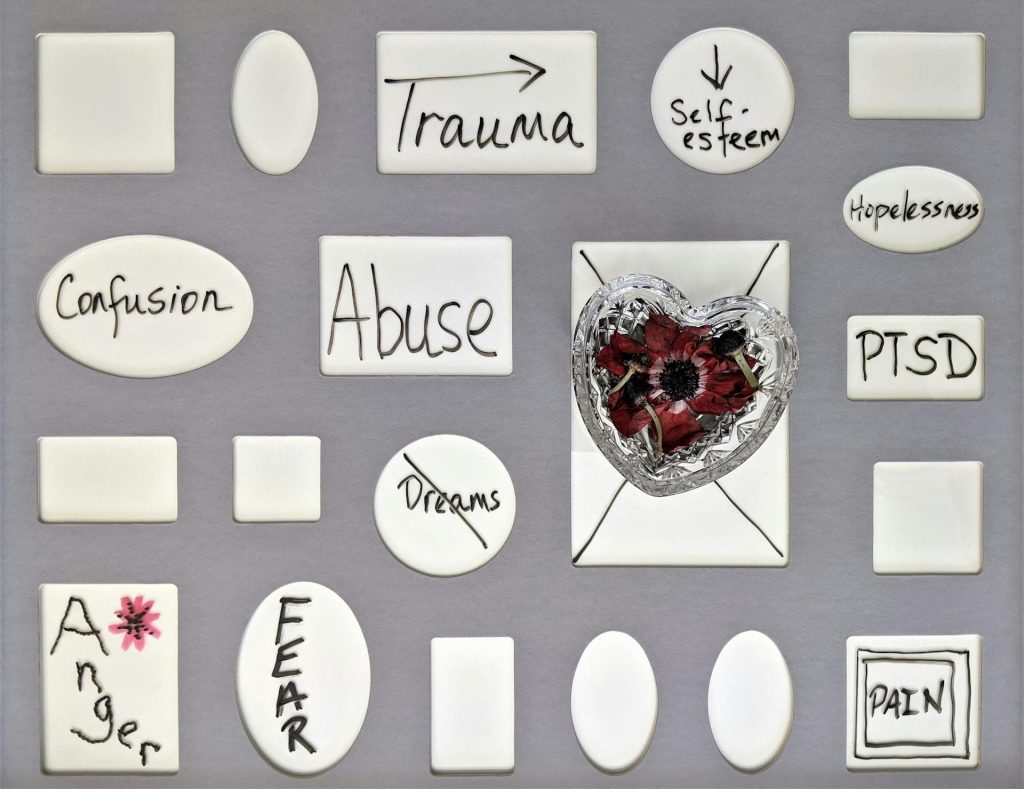
Why Counselling Matters for CPTSD
While self‑help tools can be useful, CPTSD is relational trauma – which means healing often needs to happen in relationship too. Consistent, compassionate counselling provides a new experience of being seen, believed, and emotionally held.
In my practice, counselling often involves a combination of:
• Psychoeducation about trauma and the nervous system
• Emotion regulation and grounding skills
• Narrative and identity work
• Strengthening relationships and boundaries
• Support for parents and caregivers when working with teens
Healing is not linear, and progress doesn’t always look dramatic. Sometimes it looks like pausing instead of reacting, or choosing kindness toward yourself for the first time.
You Don’t Have to Do This Alone
Whether you are a teen trying to make sense of overwhelming feelings, or an adult who has spent years surviving rather than living, help is available. CPTSD counselling is not about reliving trauma – it’s about reclaiming safety, choice, and connection.
Help is On Hand
I’m Paula Marais, a registered wellness counsellor based in Claremont, Cape Town. I support teens and adults navigating trauma, identity, and emotional overwhelm through compassionate, evidence‑informed counselling.
If you’re seeking CPTSD counselling in Cape Town, I’d be honoured to walk alongside you. Reach out over WhatsApp today, or give me a call on 072 633 7661.
Healing from CPTSD is possible. You are not broken – you adapted. And with the right support, you can begin to feel safe in yourself and in the world again.