

Introduction
Have you ever received a piece of feedback, a passing comment, or even a look from someone, and felt your entire world collapse? Not in a dramatic, attention-seeking way. In a private, gut-wrenching way that leaves you questioning your worth, replaying the moment on loop, and withdrawing from the people around you.
If you have ADHD, this experience likely has a name: Rejection Sensitive Dysphoria, or RSD. It is one of the most searched and discussed aspects of ADHD, and for good reason. For many adults, RSD is the missing piece that finally explains a lifetime of intense emotional reactions they were told were “too much” or “overly sensitive.”
As a counsellor working with neurodiverse adults and teens, I see the impact of RSD in almost every session with ADHD clients. It shapes relationships, career decisions, self-esteem, and the stories people tell themselves about who they are. Understanding RSD is often the first step toward feeling less alone in your emotional experience.
What Is Rejection Sensitive Dysphoria?
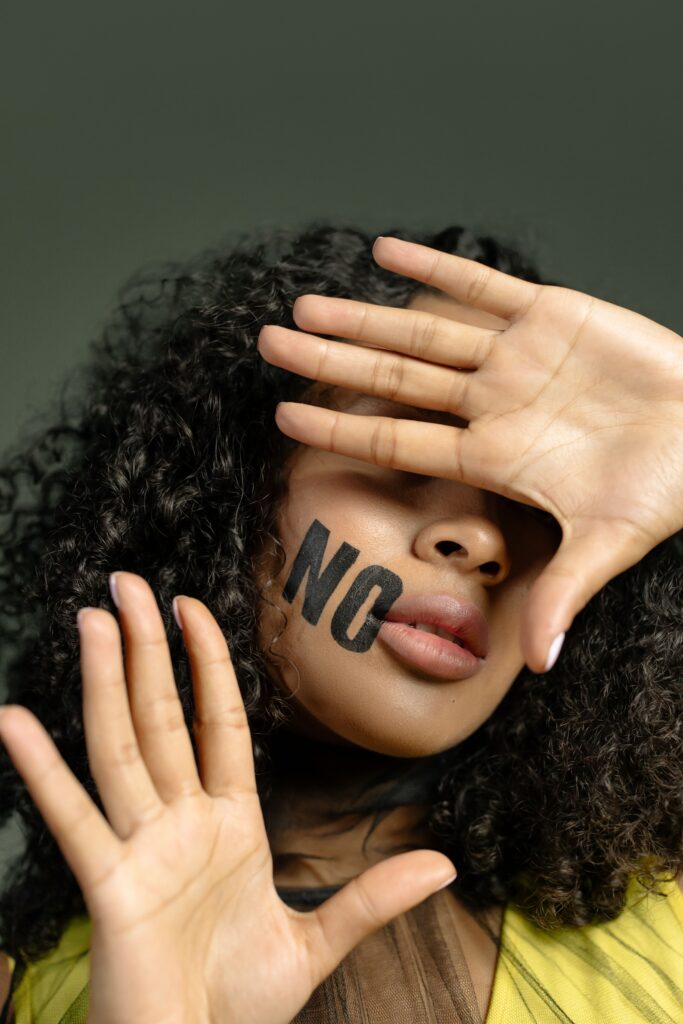
Rejection Sensitive Dysphoria describes the extreme, often agonising emotional pain triggered by the perception of rejection, criticism, or failure. The word “dysphoria” comes from the Greek for “hard to bear,” and that is exactly how people with RSD describe it: sudden, overwhelming, and disproportionate to the event that triggered it.
RSD is not a formal diagnosis in the DSM-5, but the experiences it describes are clinically meaningful and increasingly supported by research. Dr William Dodson, one of the pioneering clinicians in ADHD research, first identified and named RSD as a distinct symptom cluster in his work with hundreds of ADHD patients. A 2023 systematic review confirmed that emotion dysregulation is prevalent across the ADHD lifespan and is a major contributor to impairment.
What makes RSD different from ordinary disappointment or hurt feelings is its intensity and speed. The emotional response is often:
- Instant and overwhelming, arriving in seconds rather than building gradually
- Felt physically, not just emotionally, with symptoms like chest tightness, nausea, or a sensation of being struck
- Disproportionate to the actual event, making it difficult for others to understand
- Short-lived but devastating, sometimes resolving within hours but leaving emotional residue for much longer.
How RSD Shapes Behaviour and Relationships
RSD doesn’t just cause pain in the moment. Over time, it fundamentally shapes how a person navigates the world. To avoid the unbearable sting of perceived rejection, many adults with ADHD develop protective strategies that can become problems in their own right.
Perfectionism
If you can never be criticised, you can never feel the pain of rejection. This logic drives many people with RSD toward perfectionism: pouring excessive energy into making everything flawless, overworking to the point of exhaustion, and falling apart when the result is anything less than perfect. The standards are impossibly high because the emotional stakes feel impossibly high.
People-Pleasing
Another common response is to become hyper-attuned to the needs and moods of others. People with RSD may constantly scan for signs of disapproval, adjust their behaviour to keep everyone happy, and agree to things they don’t want to do, all to prevent the perceived rejection they dread. Over time, this erodes their sense of self and leaves them feeling invisible in their own lives.
Social Withdrawal
For some, the pain of potential rejection becomes so overwhelming that avoidance feels like the only option. They may pull back from friendships, decline invitations, avoid putting themselves forward at work, or stop sharing their opinions altogether. The logic is protective: if you don’t engage, you can’t be hurt. But the result is isolation and loneliness.
Counselling Tools for Managing an RSD Flare-Up
RSD cannot be “cured,” but it can be understood, managed, and significantly softened with the right therapeutic support. Here are three approaches I use in my practice.
1. Cognitive Reframing. When an RSD episode hits, the brain floods with conclusions: “They hate me,” “I’ve ruined everything,” “I’m a failure.” These feel like facts, but they are emotional interpretations, not objective reality. In therapy, we practise noticing these automatic thoughts and gently examining them. What is the evidence for and against this conclusion? Is there another way to read the situation? Over time, this builds a mental pause button between the trigger and the emotional spiral.
2. Nervous System Regulation. RSD activates the threat response in your nervous system. Your body goes into fight, flight, or freeze before your rational mind has a chance to intervene. Learning to regulate your nervous system through grounding techniques, breathwork, and body-based awareness can help shorten the duration and intensity of an RSD episode. These are skills we develop together in therapy, and they become more effective with practice.
3. Building Emotional Vocabulary and Self-Awareness. Many people with RSD have spent years being told they are “too sensitive” or “overreacting.” This dismissal makes it harder to understand or trust their own emotional experience. Therapy provides a space to name what is happening without shame. When you can say, “This is an RSD flare-up, and it will pass,” rather than “Something is fundamentally wrong with me,” the experience becomes more manageable.
What I Offer as a Therapist
I offer compassionate, evidence-informed counselling for adults and teens living with ADHD and the emotional challenges that come with it, including RSD. In my practice, I provide:
- A safe, validating space where your emotional experience is believed and taken seriously
- Cognitive reframing tools tailored to your specific triggers and patterns
- Nervous system regulation techniques to help you move through intense emotions
- Support in understanding how RSD affects your relationships, work, and self-esteem
Conclusion
If you have spent your life believing you are “too sensitive,” “too emotional,” or “too much,” Rejection Sensitive Dysphoria may be the explanation you have been looking for. RSD is not a character flaw. It is a neurological reality, and it deserves compassion, understanding, and proper support.
You don’t have to white-knuckle your way through every emotional storm alone. Therapy can help you understand your patterns, soften the intensity, and build a life where your sensitivity is a strength rather than a source of suffering.
About Paula Marais
I’m Paula Marais, a registered specialist wellness counsellor based in Claremont, Cape Town. I hold an Honours degree in Psychology from Unisa and a Master’s degree in Creative Writing from UCT, and I am registered with the ASCHP. I offer individual and couples counselling, both in person and online, because I believe online sessions are equally as effective as meeting face to face.
If RSD or ADHD-related emotional challenges are affecting your life, I’d be honoured to support you. There’s no pressure and no judgment. I’m just a WhatsApp away on 072 633 7661, or you can email me at info@paulamaraistherapy.com.
#RejectionSensitiveDysphoria #RSD #ADHD #ADHDAwareness #EmotionalDysregulation #ADHDCounselling #NeurodiversitySupport #ADHDEmotions #PaulaMaraisTherapy #ClaremontTherapy #CapeTownTherapist #MentalHealthCapeTown #ADHDAdults #NeurodiversityCapeTown #PeoplePleasing #Perfectionism