

As a parent, you want the very best for your children. You want them to feel safe. To feel loved. To feel confident and capable of facing life’s challenges. Yet childhood isn’t always easy. Even when we do everything right, children can experience big emotions, changes, or difficulties. But they don’t yet have the words to explain them.
This is where play therapy can make a huge difference. Play therapy helps children to process emotions, develop resilience, and strengthen their sense of self. Play is your child’s natural language, and toys are their words. Through this gentle, guided process, play therapy supports mental health while also helping your child answer the important question: Who am I?
Why Play Matters More Than Words
As adults, we often process our emotions and experiences by talking them through – with our family, friends or a professional. Children, however, may not yet have the vocabulary or emotional awareness to explain what they are feeling. A five-year-old cannot easily say, “I’m feeling anxious because of the changes in our home.” Instead, you may find them acting out, withdrawing or showing their stress through physical symptoms like tummy aches.
Play provides a bridge. In play therapy, children can show through a dollhouse family, a sandbox, or even a drawing what they are unable to express in words. This makes it both engaging for children and also deeply therapeutic.
Play Therapy and Mental Health
1. Safe Emotional Expression
Children experience the full range of human emotions, but they often struggle to name or control them. In play therapy, they can express sadness, anger, fear, or confusion through toys, art, or imaginative role-play. This safe outlet prevents emotions from bottling up or coming out in harmful ways like aggression or withdrawal. Children have the opportunity to be heard without having to verbalise how they feel.
2. Reducing Anxiety and Stress
Challenges in life, such as divorce, death, trauma or moving schools, may trigger anxiety in your child. When children face these challenges, they may carry hidden anxiety. Play allows them to revisit difficult experiences symbolically, on their own terms. This process reduces stress and helps them regain a sense of safety and control.
3. Building Coping and Problem-Solving Skills
Through therapeutic play, children learn practical skills they can carry into daily life. For example, they might practice calming strategies during a stressful game, or rehearse problem-solving through a puppet show, or role play. These coping tools give them resilience when they face real-life challenges.
4. Improving Social and Family Relationships
Play therapy encourages empathy, turn-taking, and communication. Children learn how to express themselves better and understand others and themselves. This leads to stronger peer relationships and improves how they connect with parents and siblings at home.
5. Reducing Behavioural Struggles
Behaviour is communication. Many “problem behaviours” are really signs of unmet emotional needs. As children learn healthier ways to manage big feelings through play therapy, parents often notice fewer meltdowns, less aggression, and more cooperation.
<h2> Play Therapy and Identity Development
Mental health is only part of the picture. Childhood is also the season where a child begins to ask, “Who am I?” Play therapy creates a space for children to explore their identity safely and positively.
1. Exploring Self-Expression
Children try on roles and identities through play. These may include taking the role of a parent, superhero, explorer, or leader. In therapy, this experimentation helps them explore what they enjoy, what they value, and how they see themselves in the world. A play therapist will sit with the child and guide them carefully and safely.
2. Building Confidence and Competence
When children create something, master a game, or resolve a play scenario, they experience a sense of achievement. These small victories strengthen self-esteem and reinforce the message: I am capable. I can do hard things.
3. Learning Boundaries and Values
Play often involves rules, fairness, and choices. Children begin to understand the difference between right and wrong, the importance of respecting others, and the role of responsibility. These lessons shape their moral and social identity.
4. Honouring Culture and Uniqueness
Play is also a way for children to express their background, family traditions, and personal creativity. Whether through storytelling, drawing, or role-play, children begin to weave their unique cultural and personal identity into their sense of self.
5. Finding Their Voice
Perhaps most importantly, play therapy empowers children. It gives them space to make choices, express opinions, and feel heard, without fear of judgement. This strengthens their sense of autonomy and helps them grow into confident individuals with a clear sense of identity.
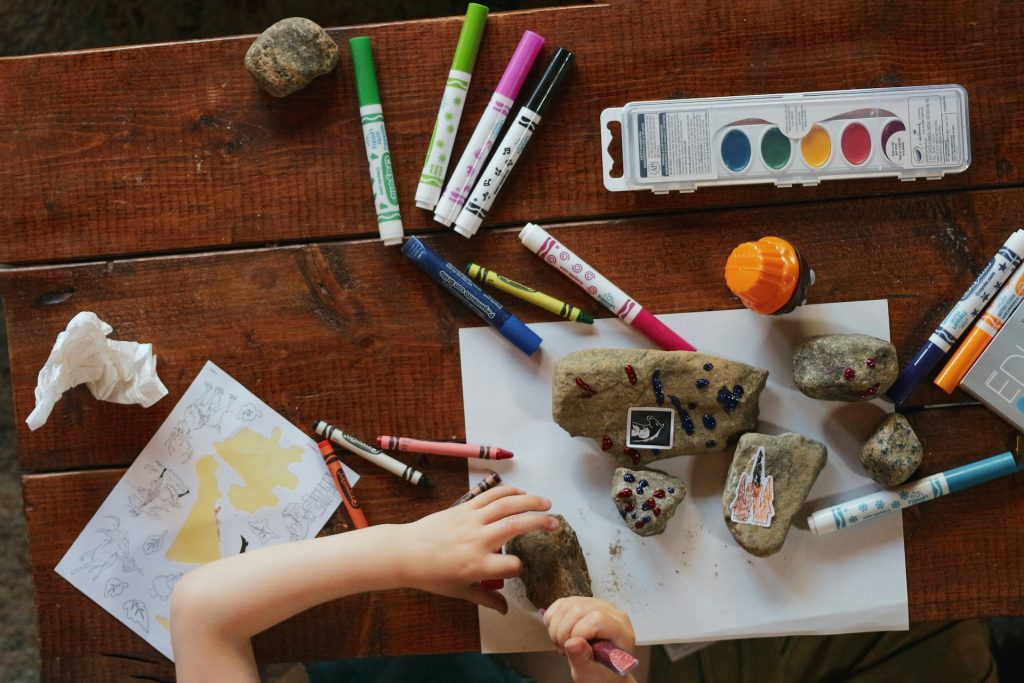
What Play Therapy Looks Like in Practice
If you’re picturing children “just playing,” you’re partly right – but there’s more. A play therapist carefully selects toys, art materials, and activities that encourage expression and growth. We observe themes in the child’s play, gently guide interactions when needed, and provide a safe, consistent relationship that supports healing. We meet your children where they are.
A typical session might include:
- Free play with a variety of toys and materials.
- Creative expression through drawing, sand trays, or building.
- Role-playing with puppets or figures to explore situations.
- Games that encourage problem-solving and emotional regulation.
Every child’s journey looks different, but over time, parents usually notice more confidence, calmer emotions, and better communication at home.
How Parents Can Support Play Therapy
As a parent, you play the most important role in your child’s growth. Here are a few ways you can support the process:
- Be curious about their play. Ask open-ended questions like, “Tell me about your drawing” instead of interpreting it yourself.
- Offer unstructured playtime at home. Children need space to explore without screens or rigid rules. Ban and hide those screens!
- Validate their feelings. Let your child know it’s okay to feel sad, scared, or angry, and that you’re there to support them.
- Stay engaged with the therapist. Parent check-ins help bridge the work happening in therapy and what you notice at home.
Final Thoughts
Play therapy isn’t just about helping children feel better in the moment. It’s about laying the foundation for a healthy, confident future. By supporting your child’s mental health and identity development, play therapy empowers them to handle challenges, form strong relationships, and grow into their best selves.
If your child is struggling with big emotions, life changes, or behaviour challenges, consider play therapy as a safe, supportive step. In the world of play, children discover not only how to heal, but also who they truly are.
About Me and How I Can Support You and Your Family
I’m Paula Marais, a registered wellness counsellor based in Claremont, Cape Town. I hold an Honours in Psychology (Unisa) and a Master’s in Creative Writing (UCT). I am registered with the Association for Supportive Counsellors and Holistic Practitioners (ASCHP).
I specialise in supporting parents, children, and teens navigating identity issues, trauma, and family challenges.
If you’re a parent who needs support, guidance, or simply a safe space to breathe and regroup, I’d love to walk alongside you. For play therapy, sessions are best done in my rooms at 14 Phyllis Road, Claremont, Cape Town.
I’m available at info@paulamaraistherapy.com or +27 72 633 7661 (WhatsApp) to book a session or ask a question. Let’s work together on building your family and boosting your child.
Comments
One response to “Unlocking Your Child’s Feelings and Potential Through Play Therapy”
[…] Younger children often say it through play, or in a sudden return to behaviour you thought was finished with: clinginess, wetting the bed, tummy aches on school mornings. A teenager who has gone quiet may be managing you both, carefully, so as not to add to anyone’s load. Some become relentlessly cheerful and helpful, which worries me more than the ones who slam doors. […]